
Crawl space moisture in central North Carolina comes from two places in every region: water vapor rising from the soil and humid air entering through the vents. Soil type changes how much liquid water you deal with, but it never removes the vapor and humidity.
Our service area crosses two very different landscapes, the Piedmont around Raleigh, Durham, and Cary, and the Sandhills around Southern Pines, Pinehurst, and Aberdeen. This guide explains how each affects a crawl space and what that means for the fix. It also shows what the two regions share, so you can tell which advice applies to your own yard and which does not.
How does soil affect crawl space moisture?
Soil affects how water moves, and moisture reaches a crawl space in three ways:
- Liquid water. Rain and groundwater move through or across the soil toward the foundation.
- Water vapor. Soil gives off vapor, even when it looks dry.
- Humid air. Warm outside air carries moisture through open vents.
Soil type mainly changes the first. The second and third depend on climate and how the crawl space is built, which is why homes on very different soils can have the same musty smell.
What is the soil like in the Piedmont?
The Piedmont is known for red, clay-rich soil. The state soil of North Carolina, the Cecil series, is typical of the region, and the U.S. Department of Agriculture's official description of the Cecil series lists it as well drained on Piedmont uplands.
That does not mean every Piedmont lot drains well. Clay-heavy soils drain more slowly than sand, and the ground around a house is often disturbed or compacted by construction. Low spots, fill dirt, slopes toward the house, and downspouts that empty at the foundation can all hold water against a crawl space. The result varies from lot to lot, which is why we look at the site before we recommend anything.
In Cary, Raleigh, Durham, Chapel Hill, and Pittsboro, we pay close attention to drainage, grading, and where water collects. Visit our pages for Cary, Raleigh, and Durham for more local detail.
Older neighborhoods and newer subdivisions behave differently too. Homes built on cut-and-fill lots can have disturbed soil right against the foundation, and a drainage swale that was graded years ago may have filled in. We look for these details during an inspection, because they explain why one house floods and the house next door stays dry.
What is the soil like in the Sandhills?
The Sandhills have deep, sandy soil. The Candor series, mapped in the Carolina and Georgia Sand Hills, is classed by the U.S. Department of Agriculture as somewhat excessively drained, meaning water moves through it quickly.
Fast drainage lowers the risk of pooled water, and it does not stop moisture. Sandy ground still gives off vapor, and the region's humid summers push warm, wet air through open vents. Moisture then condenses on ducts, pipes, and framing.
In Southern Pines, Pinehurst, and Aberdeen, humidity control and sealing often matter more than heavy drainage work. See our pages for Southern Pines and Pinehurst.
How do the seasons change the moisture picture?
Moisture in a North Carolina crawl space changes through the year:
- Summer. Warm, humid air is at its peak, and condensation on cooler ducts and pipes is most likely.
- Fall. Storms and tropical systems can bring heavy rain that tests drainage around the house.
- Winter. Cold ducts and framing can still collect condensation, and wet insulation loses its effect.
- Spring. Wet weather and rising groundwater can leave water in low spots.
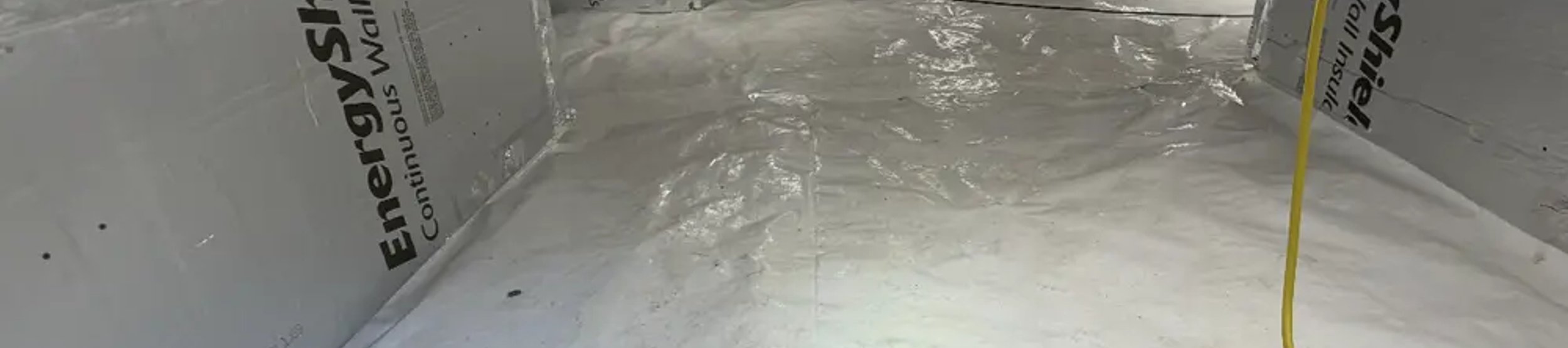
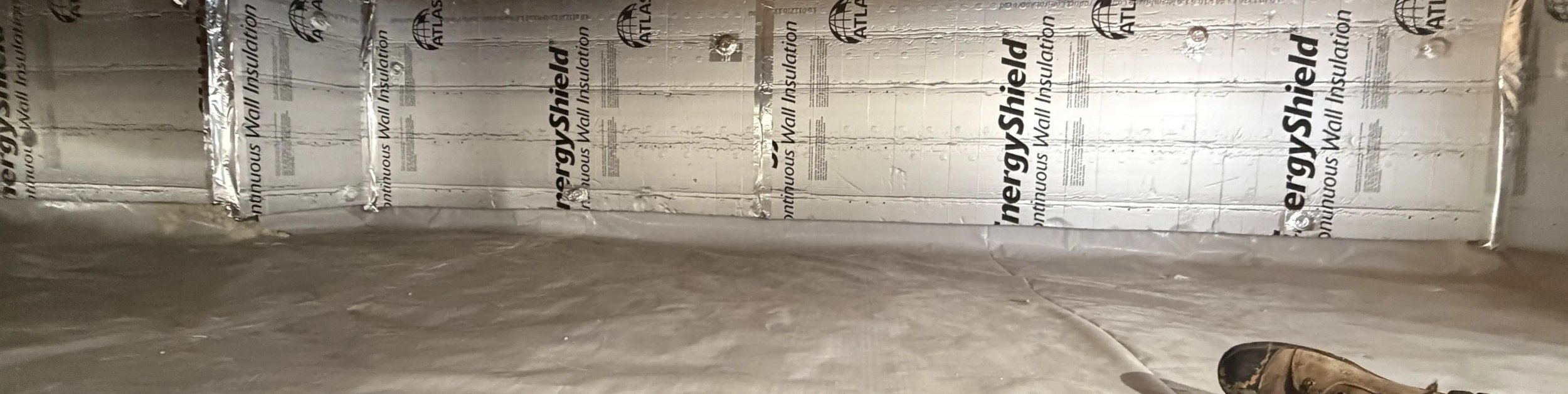
A crawl space that is sealed and dehumidified stays steadier through all four, which is one reason we often recommend it. Read our guide on what crawl space encapsulation is for the details.
What do both regions have in common?
Three things apply almost everywhere in the state:
- Humid summers. Warm, wet air is the biggest source of moisture for vented crawl spaces.
- Ground vapor. Bare soil releases moisture all year.
- Condensation. Cooler surfaces collect water from the humid air.
In both regions, the U.S. Environmental Protection Agency advises keeping indoor humidity below 60 percent, ideally between 30 and 50 percent. Its guide to mold and moisture explains why that range matters.
How does soil change the fix?
The same tools apply everywhere, and the mix changes with the site:
| Condition | What it usually calls for |
|---|---|
| Water collects after rain | A sump pump, interior drainage, and gutter and grading fixes |
| Fast-draining sandy soil | Sealing the vents and ground, plus humidity control |
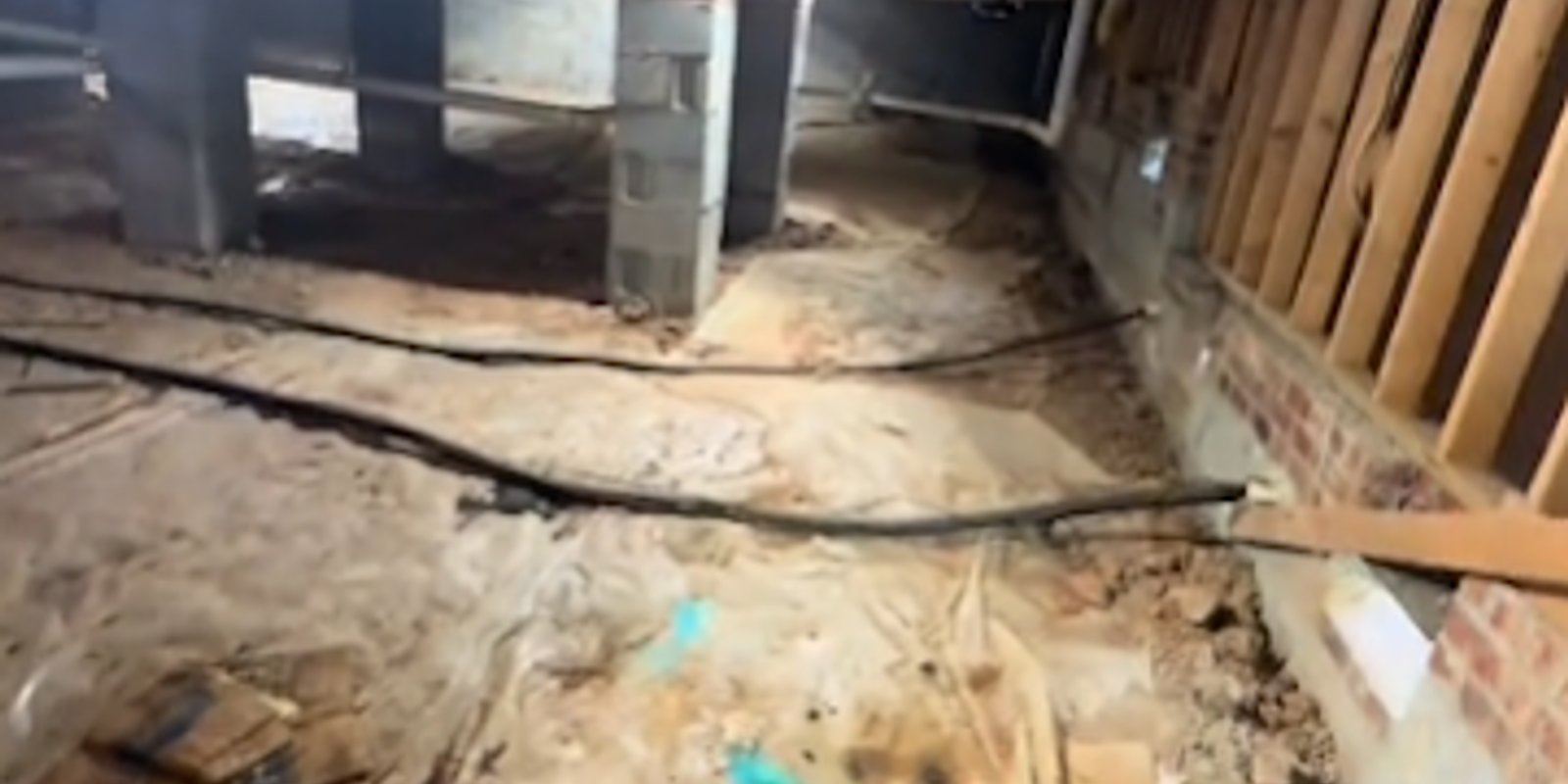
| Bare dirt floor | A full ground liner with sealed seams |
| Damp insulation or mold | Moisture correction first, then mold treatment |
Our sump pump and dehumidifier page and crawl space encapsulation page explain each option.
What about the areas in between?
Sanford, Pittsboro, Lillington, and Fayetteville sit between the Piedmont and the Sandhills, and soils change from lot to lot, sometimes within a single neighborhood. Local knowledge of how nearby homes behave helps, and the inspection confirms it. Site conditions decide the plan, and the town name does not. A short inspection tells you what the ground and the crawl space are doing, and what to do about it.
How do you find out what your crawl space needs?
A free inspection looks at the soil, the drainage, the humidity, the framing, and the insulation. We explain what we find and give you a written quote before any work starts. We are based in Cary and work across the Triangle, Sanford, Fayetteville, and the Sandhills.
See the communities we serve or request your inspection. You can also call or text (910) 635-4943 any day from 5 AM to 10 PM. For the full process, read our guide on what crawl space encapsulation is.