
Crawl space mold grows where moisture stays, and the lasting fix is to remove the mold and correct the moisture that fed it. Cleaning alone does not hold if the water problem remains.
Mold in a crawl space is common in North Carolina because of the humid summers. This guide covers the signs to watch for, what causes it, how professional removal works, and how to keep it from coming back.
What are the signs of mold in a crawl space?
Most homeowners notice symptoms upstairs before they see the growth. These signs show up most often:
- A musty or earthy smell in the house, especially on warm days
- Allergy symptoms that ease when you are away from home
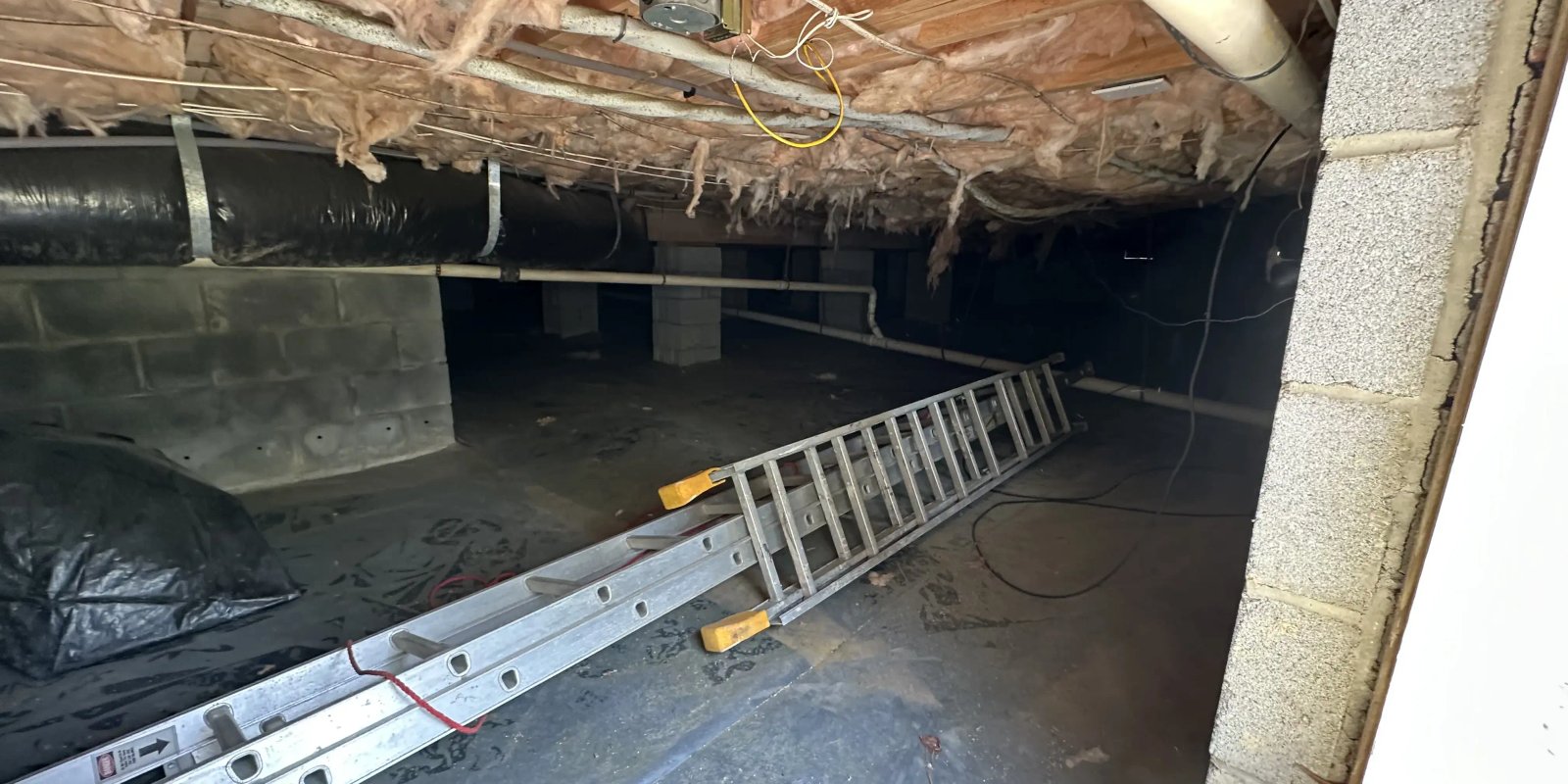
- Visible fuzzy or dark patches on framing, subflooring, or insulation
- Insulation that is wet, stained, or sagging
- Condensation on ducts or pipes
- Hardwood floors that cup or buckle
Some of these also point to other moisture problems, so an inspection helps sort out the cause. A musty smell, for example, can come from mold, from damp insulation, or from a hidden leak. Looking at the space directly is the only reliable way to tell.
What causes crawl space mold?
Mold needs moisture, a food source such as wood, and time. A crawl space supplies the wood, so moisture decides whether mold grows. The common sources are:
- Humid air. Open vents let warm, wet air in, and it condenses on cooler surfaces.
- Ground vapor. Bare soil releases moisture all year.
- Water entry. Rain, poor grading, and downspouts that empty near the foundation can send water in.
- Duct condensation. Cold supply air passing through a humid crawl space makes ducts sweat.
- Leaks. Plumbing and HVAC drain lines can drip onto framing.
Our guide to standing water in a crawl space covers the water side in detail.
How quickly does mold grow?
Fast, once conditions are right. The U.S. Environmental Protection Agency says water-damaged areas and items should be dried within 24 to 48 hours to prevent mold growth. In a crawl space, that is hard to do without fixing the source and drying the space with fans and dehumidification.
Is mold in a crawl space dangerous?
Mold can cause allergy symptoms and irritation for some people. The agency suggests consulting a health professional if you have health concerns. Air from a crawl space rises into the living area, so a moldy crawl space can affect the rest of the house. The practical step is the same either way: find the moisture and fix it.
Can you remove crawl space mold yourself?
Small areas on hard surfaces can sometimes be cleaned by a homeowner. The Environmental Protection Agency says mold on hard surfaces can be scrubbed off with detergent and water and dried completely. It also says that if the moldy area is larger than about 10 square feet, or there has been a lot of water damage, you should follow professional remediation guidelines.
Crawl spaces make DIY harder. The mold is often on structural wood and insulation, the space is tight, and the moisture source needs to be found and corrected.
These situations call for a professional:
- The moldy area is larger than a few square feet
- Insulation or subflooring is wet or damaged
- You cannot find where the moisture comes from
- Anyone in the home has asthma, allergies, or other health concerns
- Water has been standing in the space If you hire help, the agency's guide to mold and moisture says to choose a contractor with mold cleanup experience and to check references.
How does professional mold removal work?
The process follows a clear order:
- Assess. We inspect the extent of the growth and find the moisture source.
- Contain. The work area is isolated so spores do not spread through the home.
- Remove. Damaged insulation and materials that cannot be cleaned are taken out.
- Clean. Framing and surfaces are cleaned.
- Dry. Fans and dehumidification dry the space.
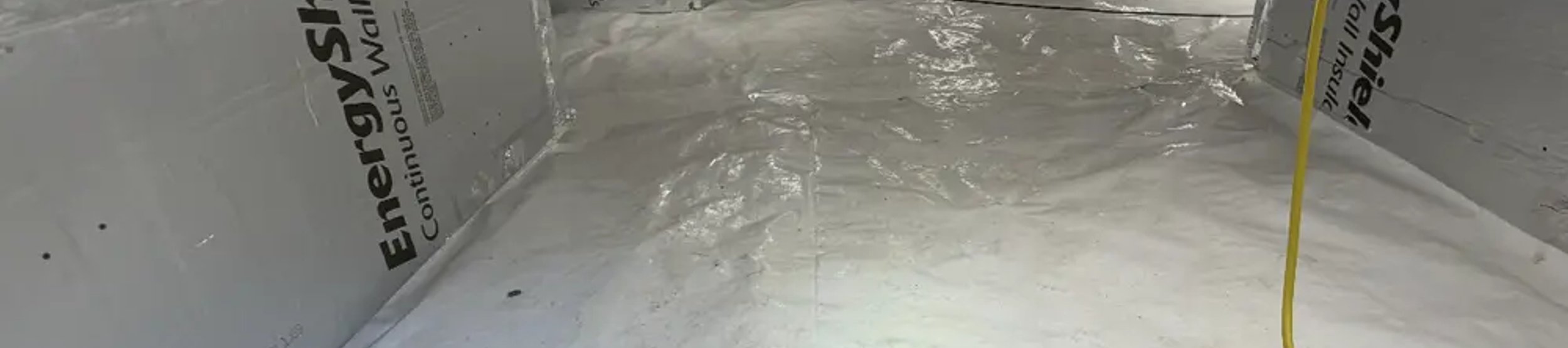
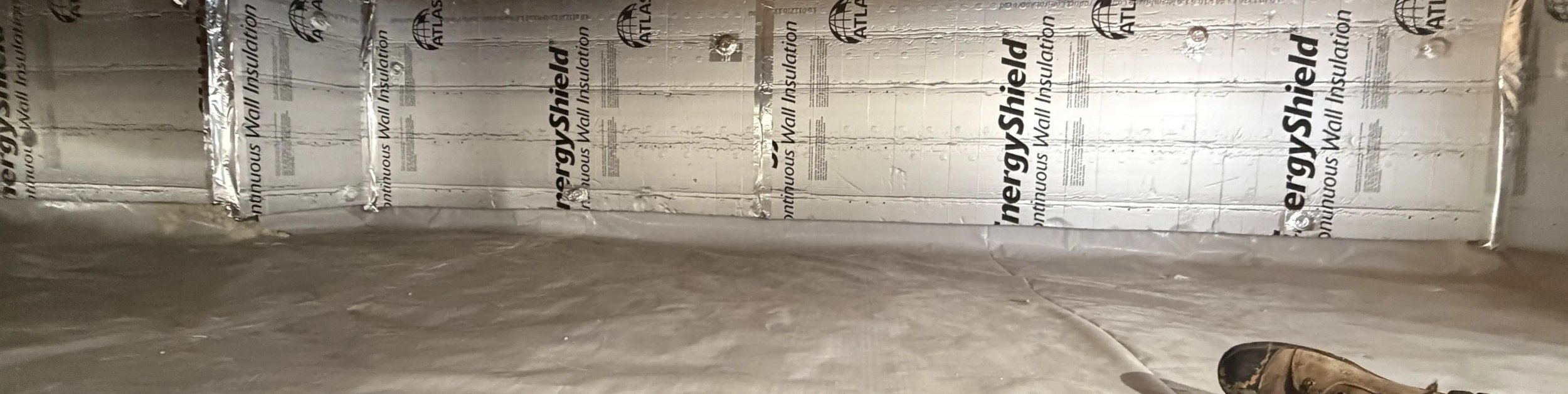
- Correct the source. Encapsulation, a dehumidifier, or better drainage keeps moisture from returning.
The agency states that you must completely fix the water or moisture problem before cleanup can be considered finished. It also notes that it is usually not possible to sterilize an area, and a background level of mold spores will remain. Those spores will not grow if the moisture problem has been resolved. Our mold remediation page explains how we handle each step.
How do you keep mold from coming back?
Keeping humidity under control is the key. The agency advises keeping indoor humidity below 60 percent, ideally between 30 and 50 percent. These steps help:
- Seal the space. Crawl space encapsulation covers the ground, walls, and vents.
- Control humidity. A dehumidifier holds the air at a healthy level.
- Manage water. Gutters, downspouts, grading, and a sump pump keep water away.
- Dry the insulation. Wet insulation should be replaced.
- Check regularly. Look at the space after heavy rain and at the change of seasons.
A clean, dry, sealed crawl space also makes small problems easy to spot. A new stain or a damp patch shows up against a clean liner, so you catch it early. After remediation, the crawl space should smell neutral, the framing should look clean, and the humidity should stay in range. Watch for new stains, a returning musty smell, or damp insulation over the next few weeks. A reading that creeps up after rain is a sign the moisture source is not fully handled.
If you installed new insulation or a liner, check the seams and edges too. Catching a small problem early is far easier than redoing the work.
How do you get a mold inspection?
A free inspection finds the mold, the moisture source, and the plan to fix both. We are based in Cary and work across the Triangle, Sanford, Fayetteville, and the Sandhills. See the communities we serve or request your inspection. You can also call or text (910) 635-4943 any day from 5 AM to 10 PM.