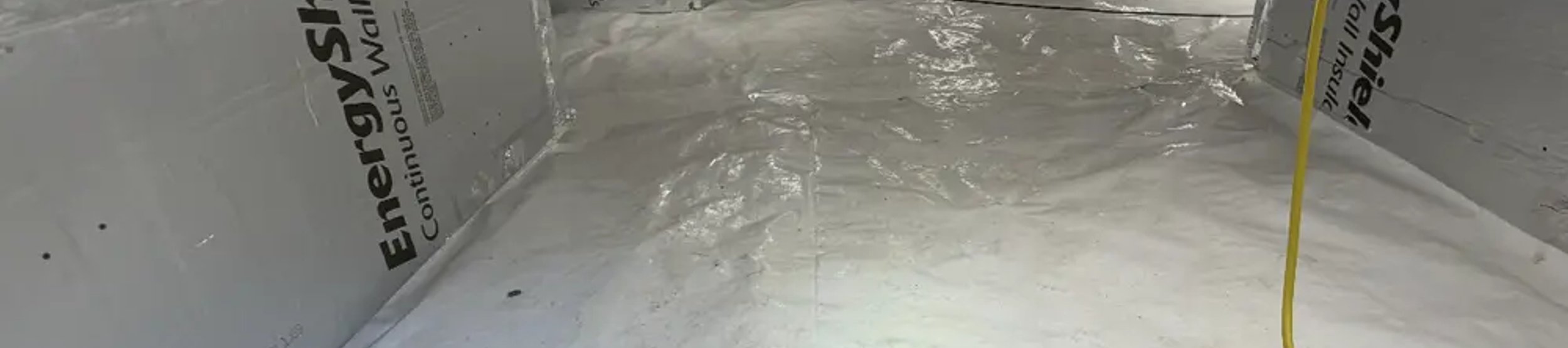
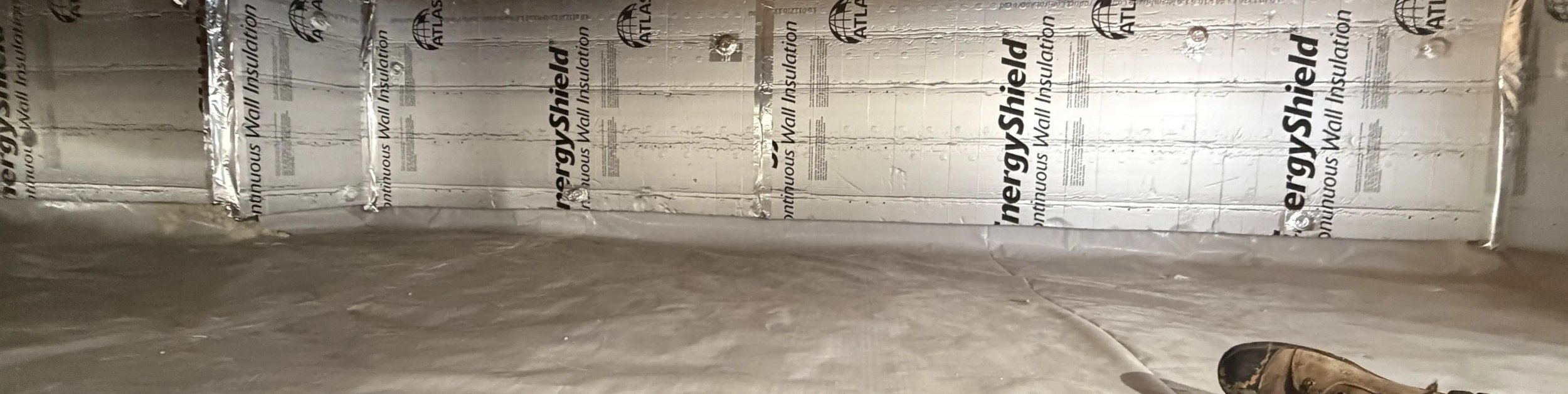
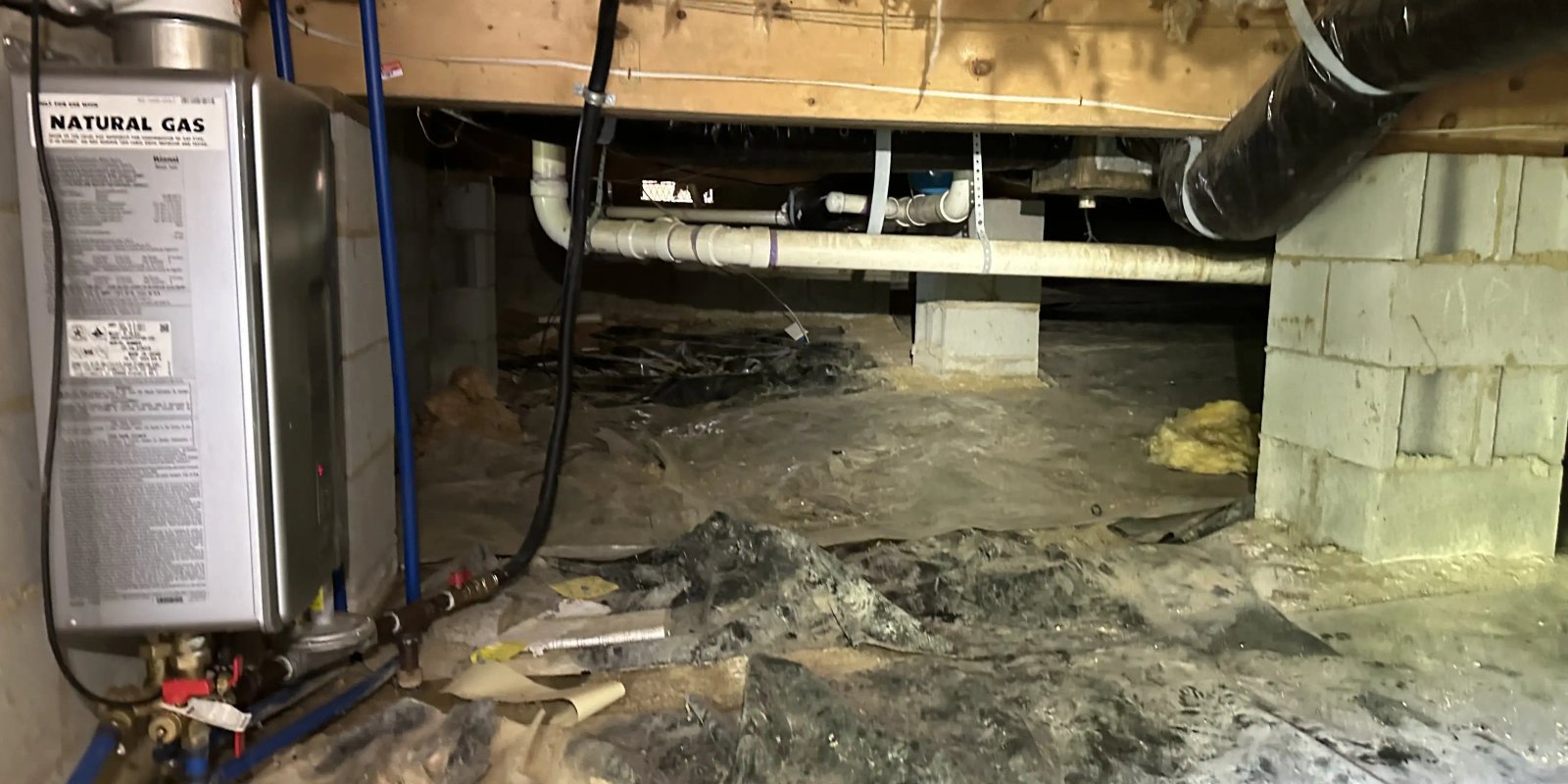

Standing water in crawl space areas needs two things: a way to remove the water, and a fix for where it came from. A sump pump removes collected water, a drainage system stops water from reaching the space, and a dehumidifier handles the air afterward.
Water in a crawl space is one of the most common calls we get after heavy rain in North Carolina, and it is often a sign that the drainage around the house needs attention before the next storm. This guide covers what causes it, what to do first, and how to choose between the main fixes.
Why does standing water in crawl space matter?
Water changes everything about a crawl space. Wood that stays wet can grow mold and begin to rot. Insulation loses its shape and its value. Ducts and pipes can corrode or sweat, and the humid air rises into the rooms above. Pests are drawn to damp, dark spaces too.
The longer water sits, the more it costs to put right. That is why quick drying and a real fix both matter.
What causes standing water in a crawl space?
Water gets in from a few directions:
- Rain and runoff. Heavy rain, grading that slopes toward the house, and downspouts that empty beside the foundation push water toward the walls.
- High groundwater. After long wet spells, the water table can rise into the space.
- Plumbing or HVAC leaks. A drain line or supply pipe can drip steadily.
- Poor drainage. Low spots collect water that has nowhere to go.
Finding the source decides the fix, so it comes first. A single heavy storm can leave a puddle that dries in a day, and that case usually needs only a check of the gutters and grading. Water that shows up after every rain, or that never dries, points to a drainage problem that needs a permanent fix.
What should you do first?
Start with safety, then with the source:
- Check for electrical hazards. If water is near wiring, outlets, or a panel, do not enter. Call an electrician.
- Look for a leak. Check pipes and drain lines for dripping.
- Check the outside. Make sure gutters are clear, downspouts carry water away from the house, and the soil slopes away from the foundation.
- Dry quickly. The U.S. Environmental Protection Agency says water-damaged areas should be dried within 24 to 48 hours to prevent mold growth. Its guide to mold and moisture explains the timeline.
- Call for an inspection if the water returns or you cannot find the source. Photos of the water and the date it appeared help us trace the cause.
Sump pump, French drain, or dehumidifier: which do you need?
They solve different problems:
| Fix | What it does | Best fit |
|---|---|---|
| Sump pump | Collects water in a basin and pumps it out of the crawl space | Water that gathers at a low point |
| French drain (interior drain) | Collects water along the footing and routes it to the pump basin | Seepage along the walls or high groundwater |
| Dehumidifier | Removes moisture from the air | Humidity and condensation, with no standing water |
A dehumidifier does not remove standing water. A sump pump removes water but does not control humidity. Many crawl spaces need both, and often a sealed liner as well. The table is a starting point, and an inspection decides which of these your crawl space needs. Our sump pump and dehumidifier page explains how we plan each job.
How does a drainage system work?
A perimeter or French drain system sits along the inside edge of the footing. It collects water that seeps in and carries it to a basin. A pump in the basin then sends the water outside, away from the foundation.
Our design uses a heavy-duty, perforated basin and a layout based on what the inspection shows. Most sump pump and dehumidifier installations take one to two days, depending on how much drainage work is needed and the size of the crawl space.
What happens to the insulation and framing after a water event?
Wet insulation loses its shape and leaves gaps, and damp wood can grow mold. If water sat in the space, check for:
- Insulation that is soaked, sagging, or stained
- Dark or fuzzy patches on framing
- A musty smell that does not fade after drying
- Wood that feels soft
A damp subfloor or a strong musty smell is worth a closer look, because hidden moisture can sit in wood long after the surface looks dry. Mold needs treatment before the space is sealed. Read our guide to crawl space mold or visit our mold remediation page.
How do you keep water from coming back?
These steps reduce the chance of repeat flooding. Doing them together works best, since each one covers a different path for water:
- Keep gutters clear and extend downspouts away from the foundation.
- Regrade soil to slope away from the house.
- Add a drainage system and sump pump where water collects.
- Seal the ground with a vapor barrier or full encapsulation.
- Control humidity with a dehumidifier.
How do you get the water problem diagnosed?
A free inspection finds where the water comes from and which fix fits. We look at the soil, the drainage, the walls, the framing, and the insulation, then explain the options and give you a written quote before any work starts. We are based in Cary and work across the Triangle, Sanford, Fayetteville, and the Sandhills.
See the communities we serve or request your inspection. You can also call or text (910) 635-4943 any day from 5 AM to 10 PM.