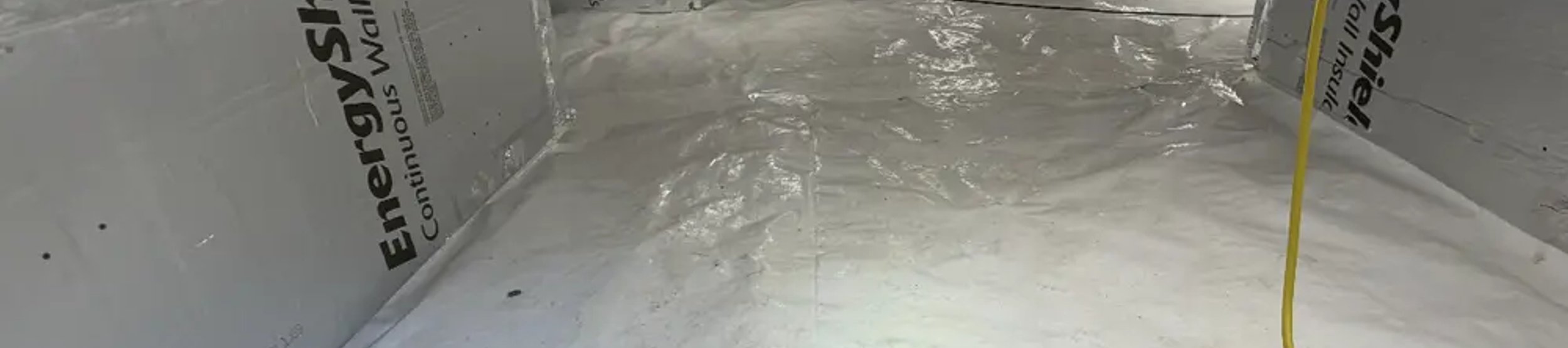
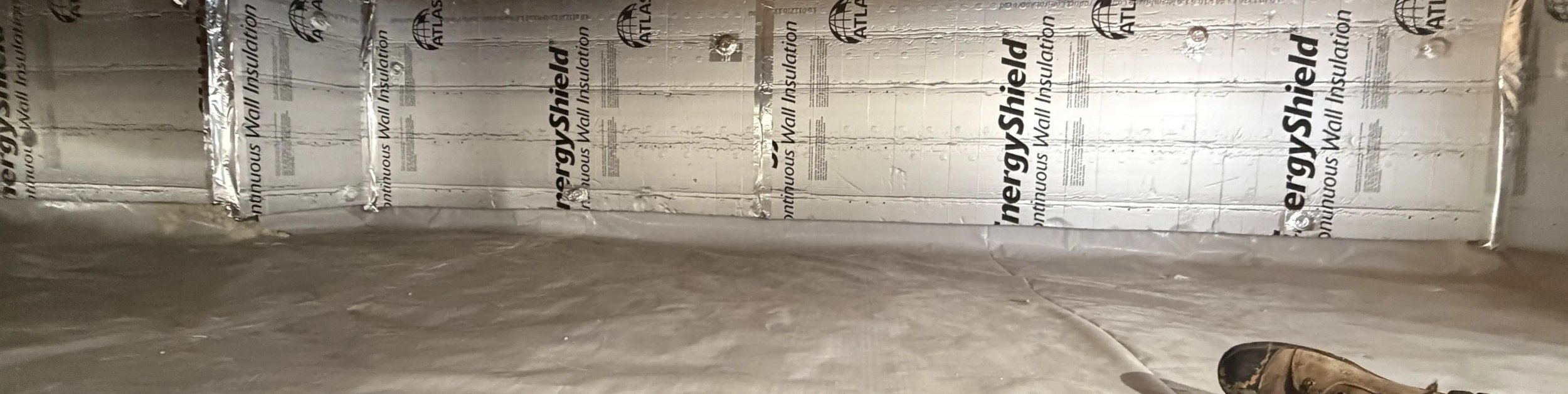
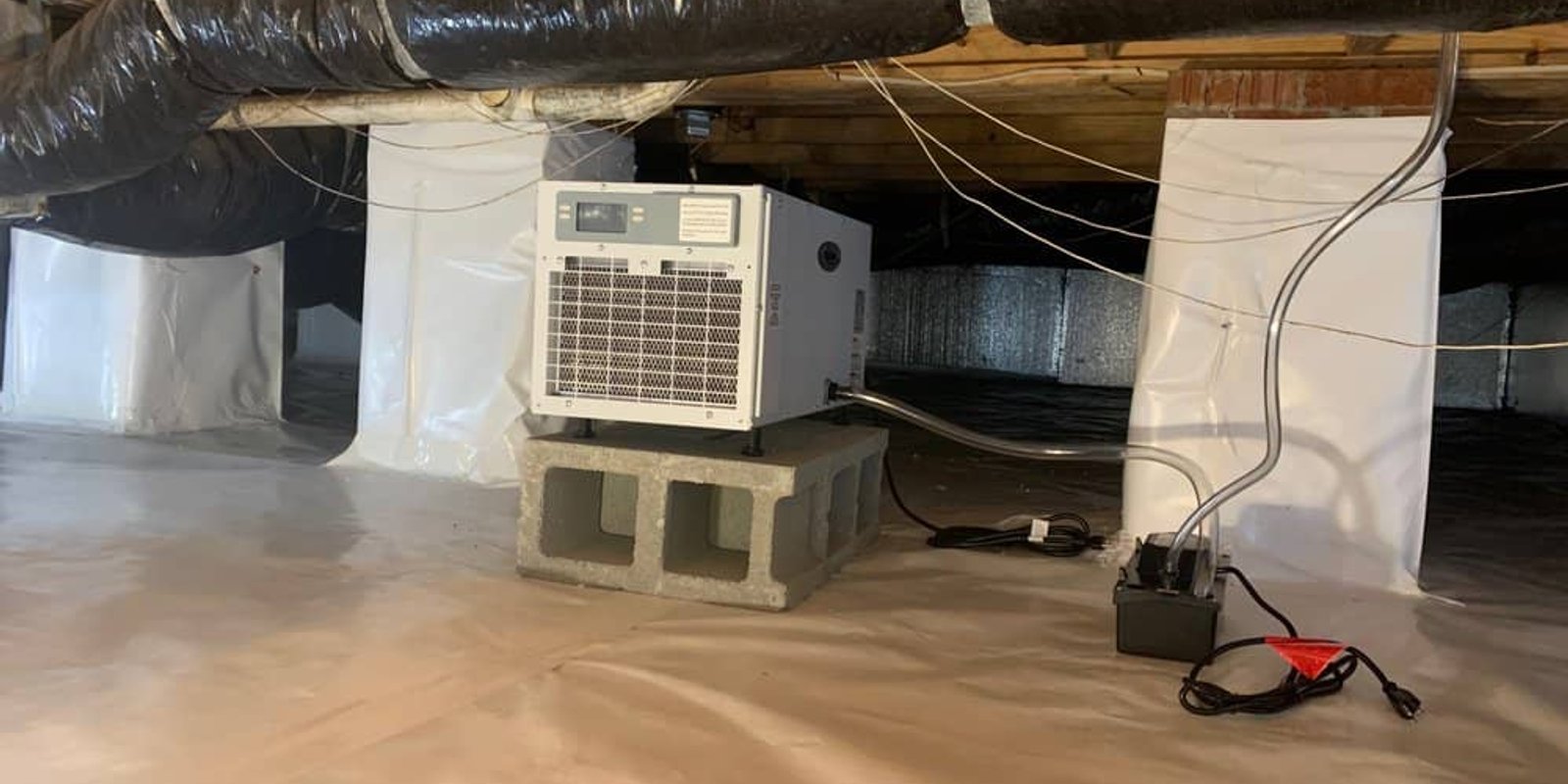

Most homes with a sealed crawl space need a crawl space dehumidifier, because the liner and seals cut moisture but do not remove the humidity already in the air. A dehumidifier keeps that air in a healthy range all year.
A vented crawl space is different, because open vents keep bringing in humid air faster than a machine can remove it. This guide covers what a dehumidifier does, how it is sized, and what to ask before you buy or install one.
What does a crawl space dehumidifier do?
A crawl space dehumidifier pulls water vapor out of the air and sends the water out through a drain. It does not remove standing water, and it does not seal the space. Its job is to hold the humidity at a steady level.
The U.S. Environmental Protection Agency advises keeping indoor humidity below 60 percent, and ideally between 30 and 50 percent. The agency's guide to mold and moisture explains why: mold needs moisture, and humidity is one of the main sources.
Do you need a dehumidifier in a crawl space?
Most sealed crawl spaces do. The liner stops ground moisture, and the sealed walls and vents keep outside air out. Some humidity remains, and plumbing, rain, and the soil keep adding more. A dehumidifier handles that remainder.
A vented crawl space is a harder case. Warm, humid air enters through the vents every day in summer, so a dehumidifier runs constantly and still struggles. Sealing the space first lets a smaller unit do the job. Our post on what crawl space encapsulation is explains the full approach.
How do you size a crawl space dehumidifier?
Dehumidifiers are rated in pints of water removed per day, and the right capacity depends on the space. Four things matter most:
- Floor area. More square feet means more air to treat.
- Ceiling height. A taller crawl space holds more air.
- How well it is sealed. A sealed space needs less capacity than a vented one.
- How much moisture enters. Damp soil and leaks raise the load.
Published sizing charts disagree with each other, and manufacturers describe the pint rating as a starting point, not a promise. An installer who has measured your space and checked the moisture sources is the best way to pick the right unit.
A unit that is too small runs nonstop and never reaches the target. A unit that is too large can cycle on and off often and wear faster. Matching the machine to the space, and to how tightly it is sealed, avoids both problems. This is one reason sealing the space comes before sizing the equipment.
What features matter in a crawl space dehumidifier?
These features make the biggest difference in daily use:
- A drain line or pump. Water drains out of the crawl space automatically, so there is no bucket to empty.
- A humidistat. The unit turns on and off to hold your target humidity.
- A model built for crawl spaces. Standard household units are not made for the conditions.
- Placement above the floor. The unit sits on a block or shelf, away from moisture on the ground.
- Monitoring. Some systems report humidity remotely so you can see problems early.
Drainage deserves a closer look. Water can leave the crawl space in three common ways:
- A gravity drain runs the water downhill to the outside.
- A condensate pump lifts it to a drain or outdoors.
- In some systems the water goes to a sump basin and is pumped out with other water.
The right choice depends on the layout of your crawl space and where the water can safely go.
What does installation involve?
A typical installation covers four things: choosing the location, running power, setting up the drain, and setting the humidity target. The installer also checks the liner and seals first, because a leaky space makes the unit work much harder. Many projects include a sump pump or other drainage work at the same time.
Most sump pump and dehumidifier installations take one to two days, depending on how much drainage work is needed and the size of the crawl space. Our sump pump and dehumidifier page explains how we plan each job.
How do you keep a crawl space dehumidifier working well?
Regular care keeps the unit efficient:
- Clean or replace the filter as the manufacturer recommends.
- Check the drain line for clogs or kinks.
- Look at the humidity reading, and investigate any climb.
- Make sure the unit stays above any standing water.
- Have the space inspected if the unit runs nonstop.
A unit that never shuts off can mean the space is leaking air or taking on water.
A small digital humidity gauge, called a hygrometer, is a low-cost way to keep watch. Place it where you can read it from the access door and check it a few times a year, especially after a rainy stretch or at the start of summer. A steady reading in the target range is the sign you want.
What if the crawl space already has mold or water?
Both need to be handled first. A dehumidifier controls humidity, and it does not remove mold or standing water. Our guides on mold in a crawl space and standing water in a crawl space explain the steps.
How do you get a recommendation for your home?
A free inspection tells you whether you need a dehumidifier, which size fits, and whether other work should come first. We are based in Cary and work across the Triangle, Sanford, Fayetteville, and the Sandhills. See the communities we serve or request an inspection. You can also call or text (910) 635-4943 any day from 5 AM to 10 PM.