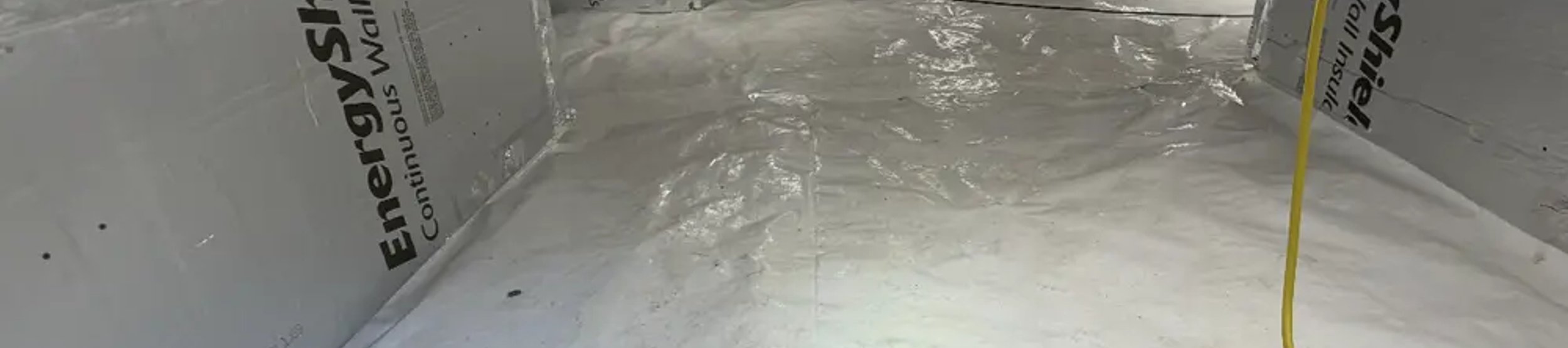
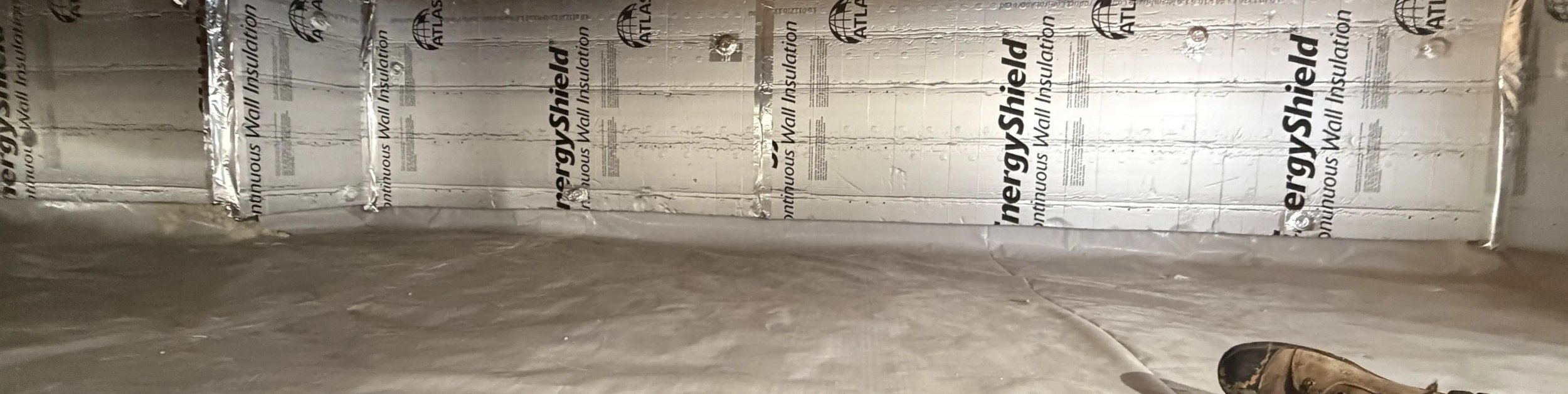
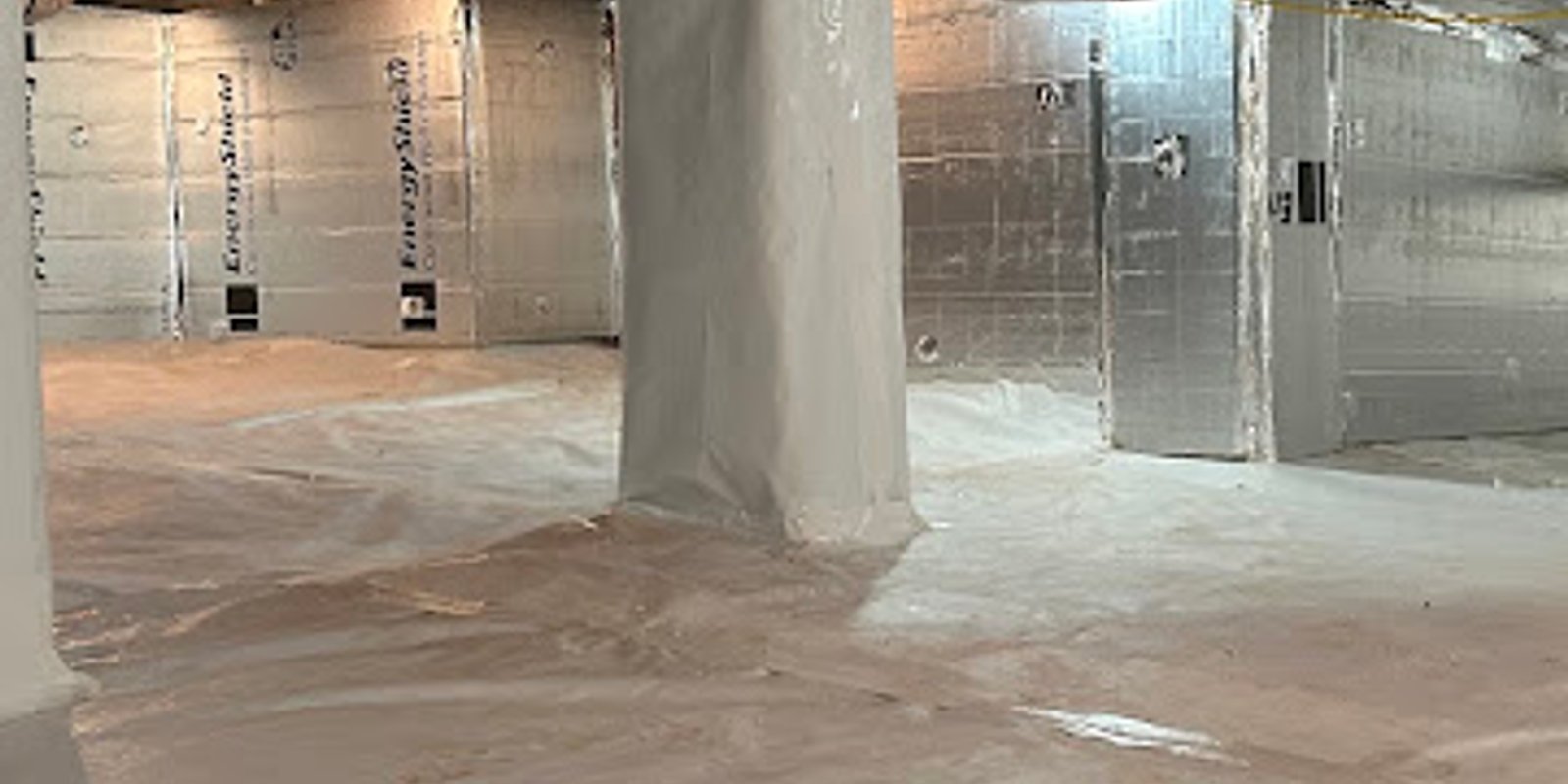

Is crawl space encapsulation tax deductible? For a home you live in, the cost is generally not deductible in the year you pay it. It can instead count as a home improvement that raises your cost basis, which may matter when you sell.
This guide explains what the Internal Revenue Service says about improvements, basis, and the energy credit, and which records are worth keeping. It is general information, not tax advice. Your situation depends on how you use the home and your tax year, so check with a tax professional before you file.
Is crawl space encapsulation tax deductible?
For a primary residence, home improvements are generally not deductible expenses. The Internal Revenue Service treats them as capital costs added to the home's basis instead. The agency's Publication 523, Selling Your Home, explains how basis works.
That is different from a repair. Repairs and maintenance that only keep a home in good condition do not add to basis. Improvements that add value or extend the home's life do. A full encapsulation that seals and conditions the crawl space is more likely to fall on the improvement side, but the classification depends on the job. A tax professional can confirm how yours is treated, and a written description of the work gives them what they need to decide.
What counts as a repair and what counts as an improvement?
The Internal Revenue Service draws the line this way. An improvement adds to the value of your home, prolongs its life, or adapts it to new uses. A repair keeps the home in good condition without adding value or extending its life.
Publication 523 gives examples. Replacing a broken windowpane is a repair, but replacing all the windows as part of a larger project is an improvement. The agency also says repair-type work done as part of an extensive remodeling or restoration job can count as part of the improvement.
For a crawl space, a one-time patch of a torn liner looks like a repair. A full encapsulation with a sealed liner, sealed vents, and humidity control looks more like an improvement. The exact treatment depends on the work, so ask a tax professional.
What is cost basis, and why does it matter?
Cost basis is, roughly, what you paid for the home plus the improvements you made. When you sell, the gain is figured from your basis. A higher basis can reduce the taxable gain, and many homeowners also qualify for an exclusion on a primary residence. The agency's publication explains the details.
Publication 523 lists insulation, including floors, among examples of improvements that increase basis. It also says you cannot include repairs or maintenance that only keep the home in good condition.
Your basis starts with what you paid for the home. Each qualifying improvement adds to it. When you sell, the gain is based on the sale price minus your adjusted basis. Because many homeowners stay for years, the improvement records from a crawl space project can matter long after the work is done.
Does the energy efficiency tax credit apply?
The federal Energy Efficient Home Improvement Credit covered certain insulation and air sealing, among other items. The Internal Revenue Service states that you can claim the credit for improvements made through December 31, 2025. Its credit page lays out the rules and dates.
That means work completed in 2026 does not qualify under that page. If your work was done in 2025 or earlier, ask a tax professional whether any part qualified, since eligibility depended on the specific materials and standards.
What records should you keep?
Good records make any later tax treatment easier, since basis is figured years later when you sell:
- The written quote and the final invoice
- Proof of payment
- Before and after photos
- A description of the work, including the liner, sealing, dehumidifier, and insulation
- The date the work was completed
We give you a written quote before any work starts, which is a useful place to begin. See our crawl space encapsulation page for what a job includes.
When you sell a primary home, you figure your gain from the sale price and your adjusted basis. Improvements raise the basis, so the records of what you did matter then. Many homeowners can also exclude part of the gain on a primary residence if they meet the ownership and use rules, and Publication 523 covers those rules in detail.
Because the sale may be many years away, keep the paperwork in one place, such as a folder or a scanned file with your home records. A single page that lists each project, its date, and its cost makes the later math simple.
What about rental properties or a home office?
Different rules can apply. Rental property improvements are usually recovered over time through depreciation instead of deducted all at once, and a home office may allow part of certain costs. These cases depend on details, such as the portion of the home used and the type of work, so ask a tax professional.
Is there another way to weigh the value?
Tax treatment is one factor. The larger one is whether the work solves a moisture problem. Our guide on whether encapsulation is worth it lists the benefits and the drawbacks, and our post on what crawl space encapsulation is explains the process.
How do you get a written quote?
A free inspection gives you a written quote that explains the scope of work. We are based in Cary and work across the Triangle, Sanford, Fayetteville, and the Sandhills. See the communities we serve or request your inspection. You can also call or text (910) 635-4943 any day from 5 AM to 10 PM.