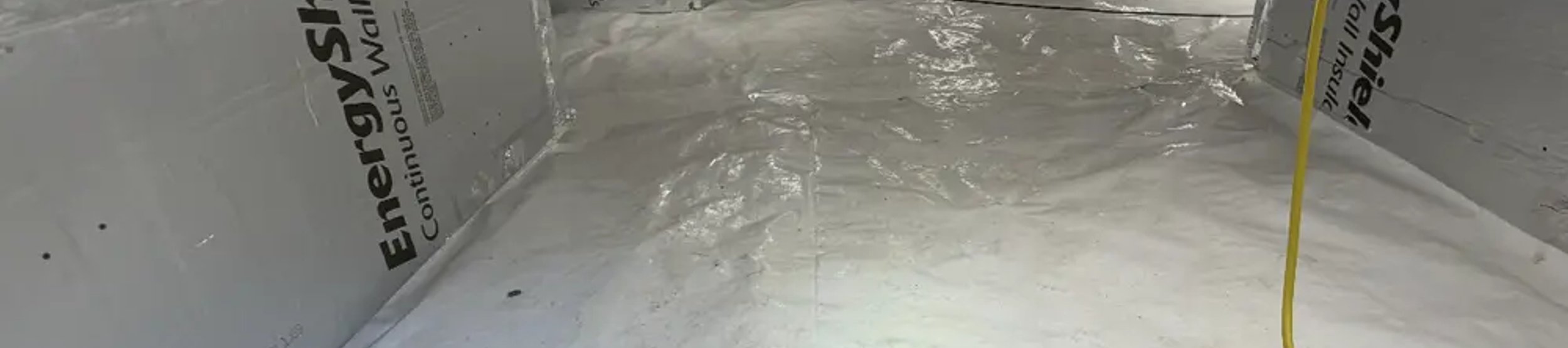
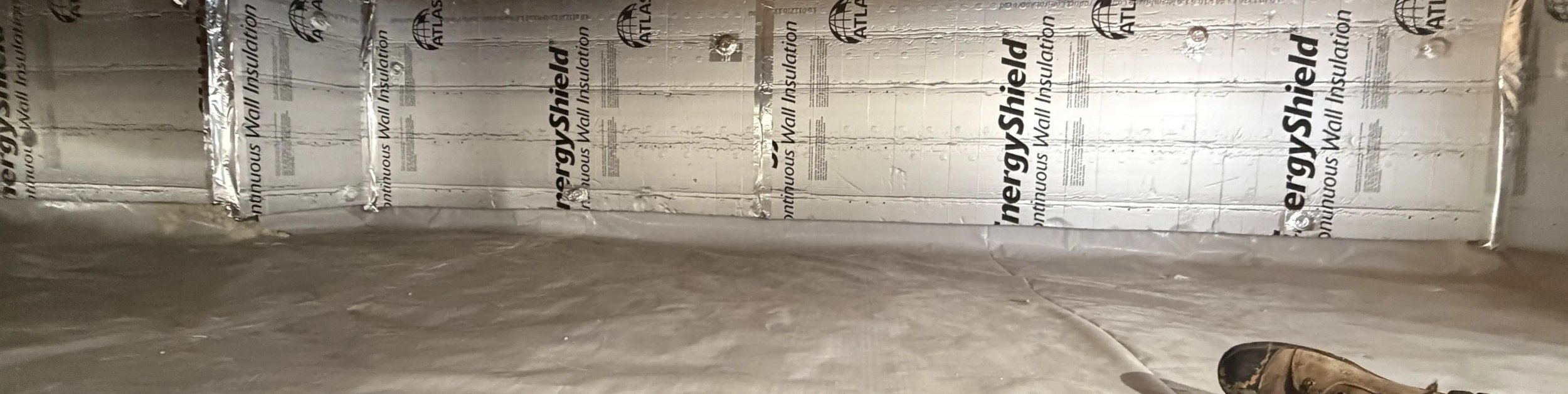
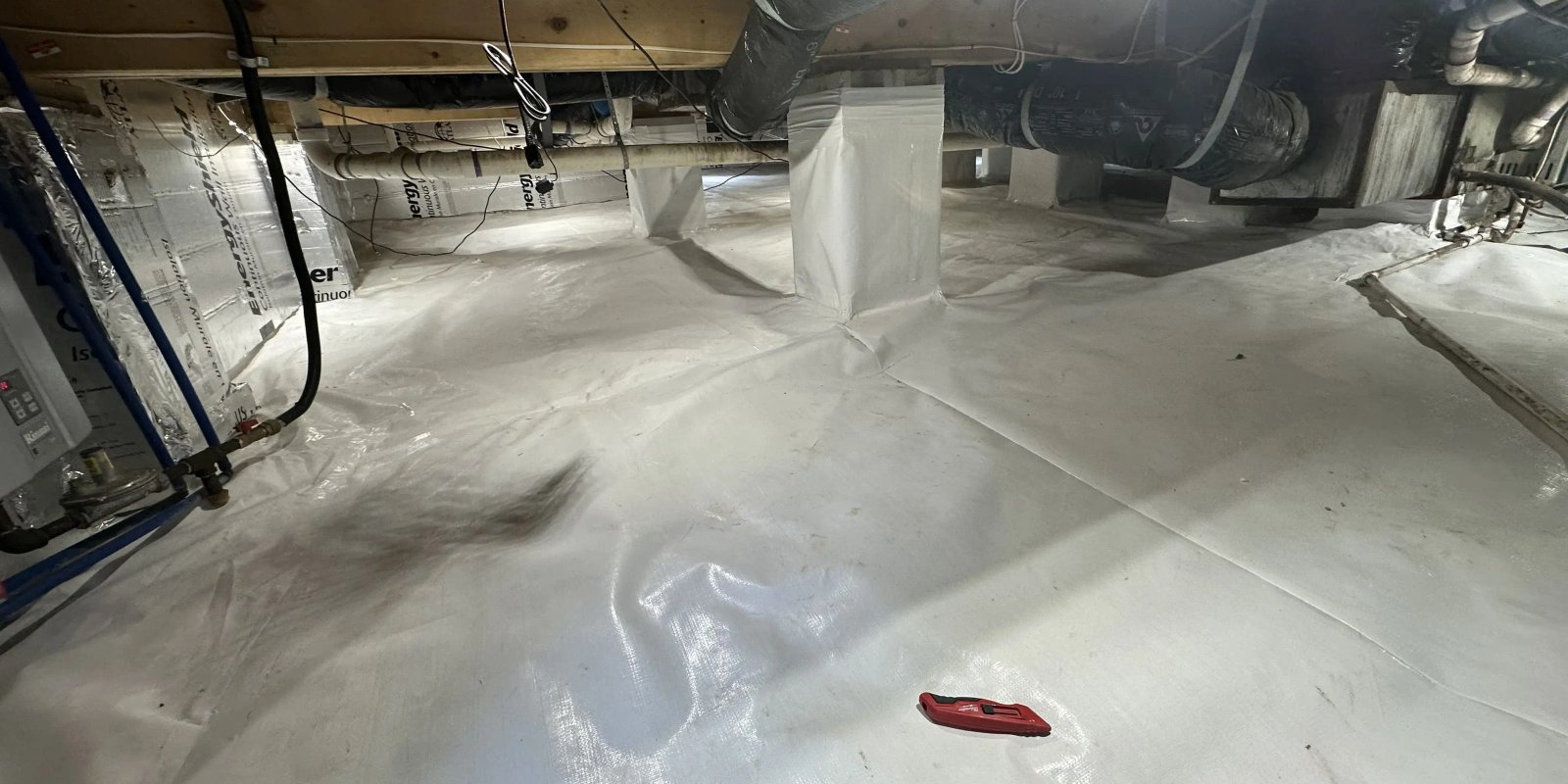

Is crawl space encapsulation worth it? For most homes with a damp, vented crawl space, yes, because it removes the moisture that drives mold, damp insulation, and musty air. For a crawl space that is already dry and sealed, it may not be needed.
This guide lists the benefits, the real drawbacks, and how long encapsulation lasts, so you can decide with the facts in front of you. It also covers smaller steps to consider and the questions to ask any contractor before you commit.
What are the benefits of crawl space encapsulation?
The main benefits come from keeping moisture out:
- Mold and rot protection. Dry framing and subfloors are far less likely to grow mold or decay.
- Drier insulation. Insulation stays in place and works as intended.
- Cleaner air. Air from the crawl space rises into the living area, so a clean, dry space helps the rooms above.
- Comfort. Floors feel warmer and the house feels less damp in summer.
- Fewer pests. Dry, sealed spaces are less welcoming to insects and rodents.
- Easier maintenance. A clean, sealed floor makes it simple to inspect the space and service equipment.
The U.S. Environmental Protection Agency advises keeping indoor humidity below 60 percent, ideally between 30 and 50 percent, and says mold returns if the water problem is not fixed. See its guide to mold and moisture.
What are the drawbacks?
Encapsulation is a real investment, and a few points deserve honest attention:
- Upfront cost. It is a larger project than adding a liner or insulation alone.
- Running cost. A dehumidifier uses electricity.
- Maintenance. The liner, seals, drain line, and filter need occasional checks.
- It does not fix every source. Leaks and standing water still need their own repair.
- It may not be needed. A dry, well-sealed crawl space can do fine with less.
An inspection shows which category your crawl space is in, so you pay for what it needs.
It also helps to think about timing. A project done before mold or rot spreads is usually simpler than one done after framing or subflooring has been damaged. If you already see signs of moisture, waiting rarely makes the problem smaller.
How long does crawl space encapsulation last?
Contractors commonly quote 15 to 20 years or more for a well-installed system, and the real number depends on conditions. These factors change it:
- Liner quality and installation. Heavier liners with sealed seams hold up longer.
- Foot traffic and storage. Heavy use can wear or puncture the liner.
- Flooding. Water entry can damage the system and needs drainage.
- Maintenance. Checking seams and the dehumidifier extends the life.
Treat the range as an estimate, not a promise. Ask any contractor what their installation includes and how it is maintained. Keep the paperwork too, because a clear record of what was installed helps with any later service.
How do you keep an encapsulated crawl space in good shape?
A simple routine covers most of it:
- Check the liner and seams once or twice a year for tears or loose edges.
- Clean the dehumidifier filter and check the drain line.
- Watch the humidity reading and investigate any climb.
- Look inside after heavy rain.
- Keep stored items off the liner where possible.
What are the alternatives if you are not ready?
Encapsulation is not the only option, and some homes do well with a smaller step first. Each has limits:
- Fix the outside water. Clear gutters, extend downspouts, and regrade soil. This helps if rain is the main problem, and it does nothing for humidity.
- Add or replace insulation. This helps floors feel warmer, and it works best over a dry floor system. Read about crawl space insulation.
- Add a ground liner. A liner on the floor slows soil vapor, and open vents still let humid air in.
- Add a dehumidifier. This lowers humidity, and a vented space makes it work hard.
These steps can be done in stages. Doing them in the right order matters, and an inspection can set that order.
Does encapsulation add to a home's value?
Some buyers and inspectors view a dry, sealed crawl space favorably, because moisture problems are a common concern in inspections. It is not guaranteed to raise a sale price. Keep the written quote, receipts, and photos so you can show what was done. A buyer's inspector will often ask about moisture history, and clear records answer the question quickly. Our guide on whether encapsulation is tax deductible explains how improvement records matter when you sell.
Is crawl space encapsulation worth it for your home?
Ask these questions about your own crawl space:
- Do you smell musty air or see condensation, mold, or sagging insulation?
- Does water collect after rain? If so, drainage may come first. Read about standing water in a crawl space.
- Is the crawl space vented with a bare dirt floor or thin plastic?
- Do you plan to stay in the home for years?
If you answer yes to several, encapsulation is likely a good fit. Our guide on what crawl space encapsulation is explains the full process, and our crawl space encapsulation page lists what each job includes.
How do you get an answer for your home?
A free inspection tells you whether encapsulation fits, what it would include, and whether a smaller fix would do. You get a written quote before any work starts. We are based in Cary and work across the Triangle, Sanford, Fayetteville, and the Sandhills. See the communities we serve or request your inspection. You can also call or text (910) 635-4943 any day from 5 AM to 10 PM.