
Crawl space encapsulation cost depends on the size and height of the space, its starting condition, any mold or water problems, and the equipment the job includes. Those factors vary so much from one home to the next that a reliable number only comes from looking at your crawl space.
This guide explains what moves the price, why advertised "basic" offers are hard to compare, and the questions to ask so every quote covers the same work. It does not list prices, because a number without a look at your crawl space can mislead you.
What affects crawl space encapsulation cost?
Eight things shape the price most:
- Size. More square feet means more liner, more sealing, and more labor.
- Height and access. Tall crawl spaces slow work that has to reach the subfloor. Low, tight ones make it harder to move materials and debris in and out.
- Starting condition. A dry space with intact insulation is quick to prepare. Old plastic, debris, and fallen insulation take longer to clear.
- Mold. Existing mold has to be treated before the space is sealed.
- Water. Standing water or seepage may need drainage work or a sump pump first.
- Humidity control. A dehumidifier and its drain are part of most full systems.
- Insulation. Wall or floor insulation changes the scope and the total.
- Liner and sealing quality. Heavier liners, taped seams, and sealed edges take more material and more care.
Each factor can change the job by a little or a lot, which is why two similar-looking houses can need very different work.
Why are "basic" encapsulation offers hard to compare?
Some websites advertise a low starting price for a basic encapsulation. It is worth asking what "basic" means, because the word covers very different jobs. A basic offer often means a thin liner laid loosely on the ground and the vents sealed, with no dehumidifier, no mold work, and no drainage.
That can be a fair description of a small, dry crawl space that only needs a cover. It does not describe a space with humidity, mold, or water problems, which is why many homeowners call us. When you read a low number, ask four things:
- What is being cleaned, and what is left in place?
- How is the liner installed, and how are the seams sealed?
- Is a dehumidifier included?
- What happens if mold or water turns up once work begins?
A quote that answers these in writing is easy to compare. A quote that does not is hard to trust.
What is included in a full encapsulation?
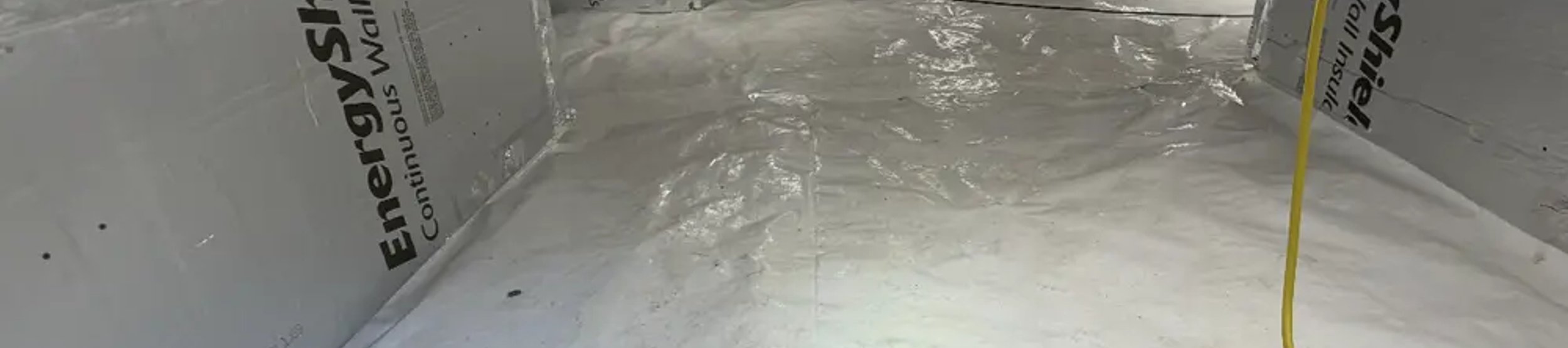
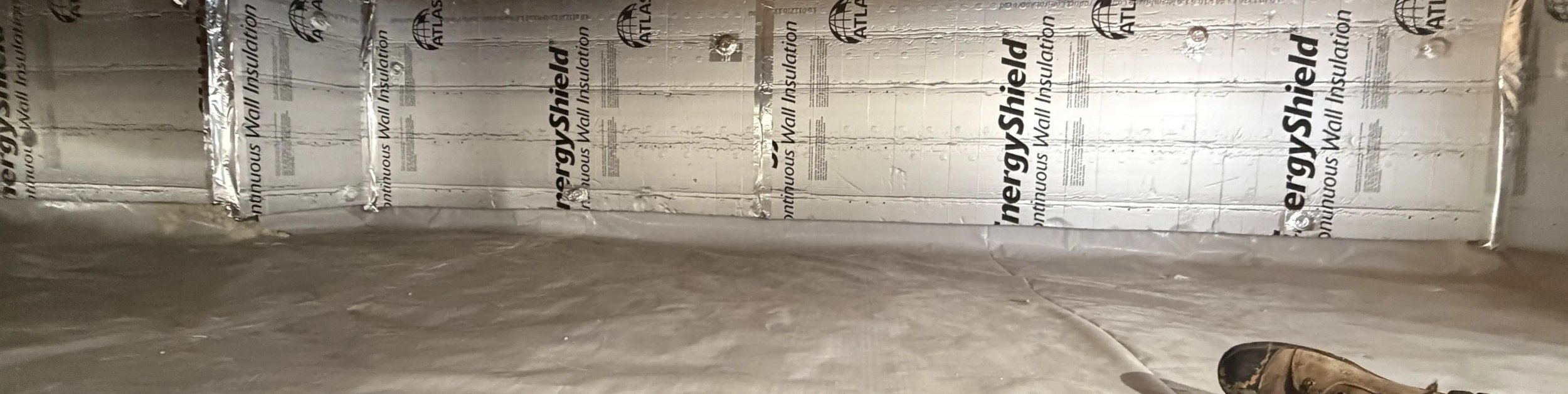
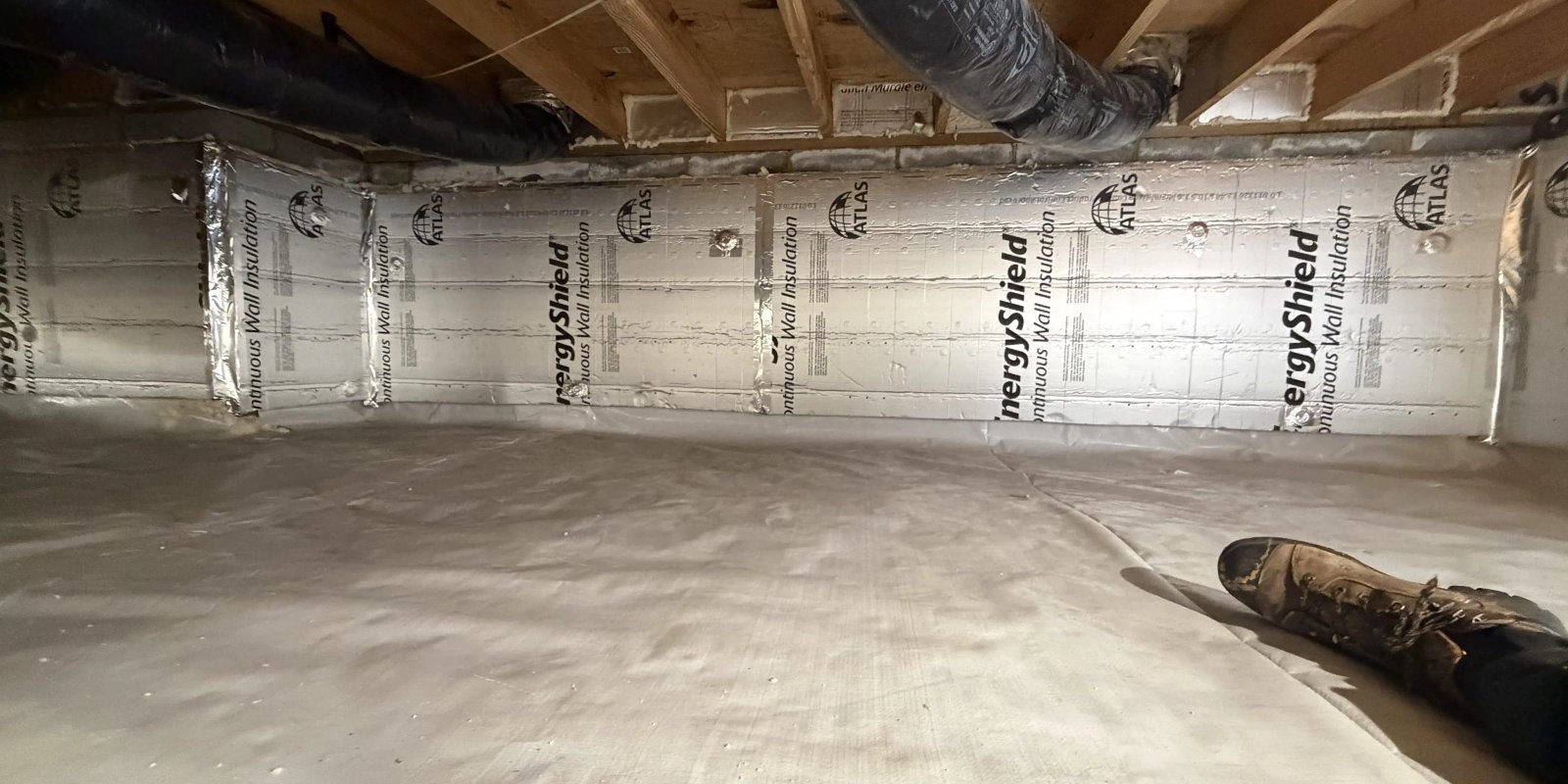
A full encapsulation seals the ground, the walls, and the vents so outside air and soil moisture stop entering the crawl space. It typically includes:
- Clearing old debris and damaged insulation
- Leveling the soil where needed
- A heavy-duty liner across the floor, up the walls, and around the piers
- Taped seams and sealed edges
- Sealed foundation vents
- Humidity control, usually a dehumidifier
The U.S. Department of Energy's crawl space vapor retarder job aid lists the same basics: cover the floor as completely as practical, run the plastic at least 6 inches up walls, piers, and columns, overlap seams by at least 12 inches, and seal the edges. Read our post on what crawl space encapsulation is or visit our crawl space encapsulation page for the full process.
How do mold and water change the scope?
Mold and water each add steps. Mold has to be removed and the moisture source corrected before the liner goes down, because covering it leaves the problem in place. Our mold remediation page and our guide to crawl space mold explain how that works.
Standing water needs its own answer. A sump pump, an interior drainage system, or both may be needed, and a dehumidifier does not remove pooled water. Read our guide to standing water in a crawl space and our sump pump and dehumidifier page. Soil and local conditions play a part too. Our post on NC soil and crawl space moisture explains the differences between the Piedmont and the Sandhills.
What does doing it yourself involve?
Some homeowners consider encapsulating their own crawl space. It can work for a small, dry, easy-to-reach space. A few points are worth weighing first:
- Time. The work is slow and physically hard in a tight, low space.
- Tools and materials. The liner, tape, sealant, fasteners, and equipment all need to be bought or rented.
- Skill. Gaps at seams, walls, and piers let moisture through, and a mistake can trap moisture under the liner.
- Hidden problems. Mold, water, and damaged framing are easy to miss without experience.
- Humidity control. The dehumidifier and drain still need correct sizing and setup.
When you compare a DIY plan with a professional quote, count your own time and the cost of redoing any part that does not work.
What should you ask when comparing quotes?
Ask each contractor the same questions, so the quotes cover the same work:
- What is the square footage and ceiling height you measured?
- What liner do you use, and how are the seams, walls, and piers sealed?
- Is a dehumidifier included, and how is the drain handled?
- What happens to old insulation, plastic, and debris?
- How do you handle mold and standing water if you find them?
- Is the scope written out, and when do you give me the quote?
A quote that is far lower than the others deserves a second look at the line items. A lower price can leave out the parts that make the system work.
Does the cost make encapsulation worth it?
That depends on what is happening in your crawl space. For a damp, vented space with musty air or sagging insulation, encapsulation tends to be worth it, because it removes the moisture behind those problems. For a dry, sealed space, a smaller step may be enough. Our guide on whether crawl space encapsulation is worth it lists the benefits and the drawbacks, and our post on whether it is tax deductible explains how improvement records matter when you sell.
How do you get an exact price?
Book a free inspection and we will measure the space, check moisture, mold, insulation, vents, and drainage, and give you a written quote before any work starts. We are based in Cary and work across the Triangle, Sanford, Fayetteville, and the Sandhills. See the communities we serve or request your inspection. You can also call or text (910) 635-4943 any day from 5 AM to 10 PM.